


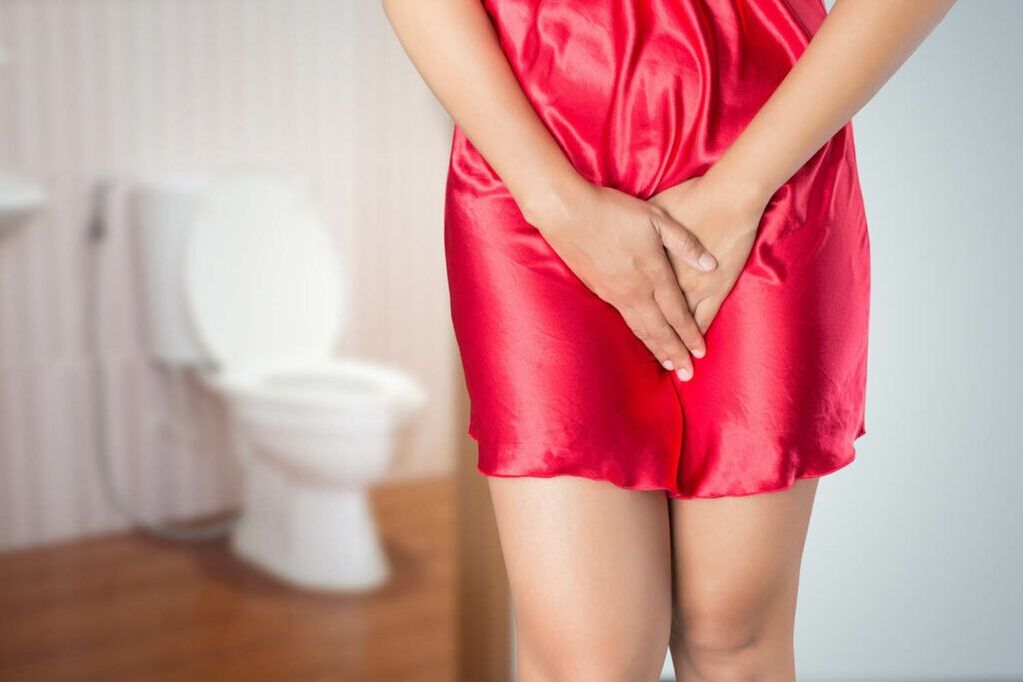
Cystitis is an inflammatory disease of the mucous membrane of the bladder.The main types of cystitis are bacterial, viral, saline, aseptic due to venous stagnation in the pelvic organs, interstitial cystitis, radiation cystitis.This disease definitely requires treatment to prevent the development of a chronic process and secondary pyelonephritis, as a complication of cystitis
Clinicians know how to diagnose cystitis at an early stage.Professional urologists prescribe effective and gentle therapy to quickly stop the symptoms of the disease and maintain your health.
Classification of cystitis
In most cases, inflammation in the mucous membrane of the bladder occurs due to an infection in the body.In this case, acute cystitis is diagnosed.If the treatment tactics are not correct or the symptoms of the disease are ignored, acute cystitis can become chronic.In a chronic course, cystitis manifests itself as a relapse: symptoms appear at a slight weakness of the body, and disappear for an indefinite time.
Urologists also distinguish:
- Infectious cystitis.Cystitis is often caused by a sexually transmitted infection (STI).It may also be another infection that has entered the bladder due to poor personal hygiene.
- Traumatic cystitis.This type of cystitis is rare.The cause of the development of the inflammatory process can be any injury during medical and surgical procedures.For example, trauma during bladder catheterization.
- Chemical cystitis.Occurs as a result of excessive use of personal hygiene products and the use of potent drugs.Also, chemical cystitis is often diagnosed in patients undergoing anticancer radiation or chemotherapy.
Primary cystitis is the primary lesion of the bladder and the manifestation of symptoms related to damage to the bladder;Secondary cystitis is associated with secondary damage by bacteria coming from the kidney or changes in nearby organs and tissues.Often, in women with symptoms of cystitis, a clinically hidden kidney infection is detected.In this case, we are talking about complicated cystitis in women.In addition, inflammation of the bladder can be the first manifestation of any urological disease or complicate its course.
Symptoms of cystitis
- frequent unproductive urge to urinate;
- burning and stinging at the end of urination;
- a feeling of incomplete emptying of the bladder;
- cloudy, frothy urine mixed with mucus;
- unpleasant and sharp smell of urine;
- pain in the urethra and pelvis.
If unpleasant symptoms occur, consult a specialist.A professional urologist will carry out a complete diagnosis, make the correct diagnosis and prescribe effective treatment.
Why does cystitis occur?
Cystitis in women is caused by microorganisms that are bacteria, viruses and parasites.Often, the causative agents of this disease are opportunistic intestinal microflora: Proteus, Klebsiella, Escherichia coli, Enterobacter, Streptococcus.The entry of intestinal flora into the bladder is facilitated by poor personal hygiene, hypothermia, decreased immunity due to fatigue or illness, and pathology of the gastrointestinal tract, which leads to a violation of the ratio of opportunistic flora with lacto- and bifidobacteria.
Often, sexually transmitted diseases (STDs) trigger inflammation of the mucous membrane of the bladder.Due to some of the same symptoms, when self-medicating, you can choose the wrong therapy, which will only temporarily eliminate the symptoms, but will not eliminate the main cause.That is why doctors recommend seeking qualified help.
One of the most unpleasant forms of cystitis for a woman is postcoital cystitis, which is associated with the entry of infectious agents into the urethra during sexual intercourse.An examination of both partners is required, a consultation with a gynecologist and a urologist, and a decision on the need for surgical treatment or correction of the soft tissue of the perineum using hyaluronic acid preparations.
Like many other diseases, cystitis can occur against the background of chronic neuropsychic stress, hormonal disorders, and allergic diseases.The aggressive action of the metabolites of certain drugs, which are excreted in the urine and irritate the mucous membrane walls of the bladder, can also trigger the appearance of disease symptoms.
Predisposing factors for the development of cystitis in women:
- congenital anomalies (urethral cyst, urethral stricture);
- hyperactive urethra;
- genetic predisposition;
- improperly selected antibiotic therapy and hormone therapy;
- frequent changes of sexual partners;
- lack of contraception;
- failure to comply with personal hygiene rules;
- pathology of the gastrointestinal tract.
Disease diagnosis
If at least one symptom of cystitis is detected, the patient is recommended to consult a urologist.The clinic employs female and male urologists to ensure maximum patient comfort.At the first appointment, the doctor will examine your medical history in detail, listen to complaints and ask questions about previous diseases of the genitourinary system.
In the clinic, to confirm the diagnosis of cystitis and exclude serious diseases of the bladder (cancer, tuberculosis), laboratory and instrumental research methods are carried out, according to modern clinical recommendations for urology.Your doctor may recommend the following tests to diagnose cystitis:
- bacteriological examination of urine;
- Urine PCR for intracellular and viral infections;
- Kidney and bladder ultrasound;
- CT and MRI with contrast;
- cystoscopy;
- urodynamic study (uroflowmetry).
The medical center is equipped with the most modern diagnostic equipment.Often in urology, a cystoscope is used for diagnostic purposes.Urethrocystoscopy is a high-precision endoscopic examination of the genitourinary tract, which makes it possible to establish the diagnosis of cystitis.Diagnostic methods, such as ultrasound, also provide detailed information about the state of the urinary system.
Cystitis in women is often associated with gynecological diseases such as colpitis or bacterial vaginosis.At an older age, female cystitis is associated with menopause.With this, the urologist can refer the woman to consult a gynecologist.
The scope of the diagnosis depends on the symptoms, concomitant diseases, and the patient's medical history.Do not refuse to be tested.In order to make the correct diagnosis and prescribe effective treatment, it is important for the doctor to determine the cause of the disease.
In the medical center, all studies are carried out using modern high-tech specialist class equipment.Experienced specialists will help diagnose the disease at an early stage without symptoms to provide quality treatment in a timely manner.
Treatment of cystitis
Treatment of cystitis, the symptoms of which can be either minor or severe, is not recommended without consultation with an experienced urologist.
For cystitis, complex treatment is indicated, which will not only eliminate pathogens and relieve the inflammatory process, but also preserve local immunity.As a rule, antibacterial and anti-inflammatory drugs are prescribed.It is very important to follow all the doctor's instructions and complete the therapy.After the medicine is prescribed, the symptoms of cystitis disappear within 2-3 days, but this does not mean that the cause of the disease has been eliminated.Only complete treatment can guarantee that the disease does not progress to a chronic stage.
Control studies based on the results of treatment should be carried out within a week after the end of treatment, their number is determined by the doctor in each individual case.
Medicines themselves can lead to the chronicity of the inflammatory process, the severity of the condition, and the involvement of the kidneys in the inflammatory process.Chronic inflammation increases the risk of cancer.Uncontrolled use of antibacterial therapy and any other medication without a doctor's prescription is unacceptable.
Complications of cystitis
If the treatment is not correct or in the advanced stages of chronic cystitis, the following complications may occur:
- urinary incontinence;
- vesicoureteral reflux;
- pyelonephritis;
- cystalgia.
Physiotherapy for cystitis
In the treatment of chronic and acute cystitis in women, physiotherapy has shown certain effectiveness as an additional treatment.Physiotherapy helps increase blood flow, stimulate microcirculation, and normalize venous outflow.The procedure consolidates the effect of drug treatment, helping to prevent cystitis.The doctor may recommend:
- ozone therapy;
- electrophoresis;
- magnetic therapy;
- ultrasound therapy.
All physiotherapy treatments can be completed in specialized clinics under the supervision of experienced physiotherapists.
Advantages of treating cystitis in modern clinics
- The specialist will carry out a full diagnosis, make the correct diagnosis and prescribe a comprehensive treatment.
- Tests, treatment, rehabilitation - all can be obtained in one clinic.
- The clinic offers effective physiotherapy for quick recovery after treatment.
Prevention of cystitis
Urologists recommend that women undergo annual preventive examinations with gynecologists and urologists and undergo tests.This will allow you to determine in time the presence of inflammation in the body and prescribe treatment.Often, diseases of the genitourinary system are "painless" and asymptomatic.
Also, to prevent cystitis in women, it is advisable to:
- avoid hypothermia;
- use contraceptives;
- comply with personal hygiene rules;
- be sure to rinse the external genitalia under running water before and after sexual intercourse;
- avoid traumatic sex positions that can damage the urethra;
- wear loose underwear that will not interfere with blood flow and lymphatic drainage;
- immediately treat any disease of the genitourinary system.